| Biography |
How to Successfully Attach LED Lights to Any Surface
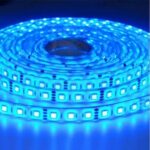
If you’re looking for accurate instructions on how to install LED strip lights to enhance the appeal and uniqueness of your living space without breaking the bank, you’ve come to the right place. At first glance, sticking LED strip lights may seem like an easy task due to their sticky backside.
However, the adhesive backing is often not strong enough to keep them securely attached to the wall for an extended period of time. In this article, we will provide you with valuable tips and tricks to help you understand how to make LED lights stick on any surface and ensure they remain firmly in place.
Guideline About Sticking LED Strip Lights
To begin, we will discuss the various methods and materials you can use to securely attach LED lights and prevent them from becoming loose. Here are some initial preparations you should consider:
1. Instructions As Initial Preparation
- LED Strip Lights Strong Adhesive Backing: When purchasing LED strip lights, make sure to choose ones with a strong adhesive backing to ensure they stay in place. If your lights have a weaker adhesive, consider using hot glue as an alternative method.
- Check Moisture or Dampness: Before sticking the LED strip lights, ensure that the surface is dry and free from any moisture that could compromise the adhesive backing.
- Clean Lubricated Wall: Inspect the surface for any greasy or oily residue, especially if you plan to install the lights in the kitchen. Use rubbing alcohol to clean the surface and ensure better adhesion.
- Check The Dust or Rust On Surface: Before installation, clean the surface of any dust, rust, or smudges to prevent the LED strip lights from falling off. Use a cleaning agent, warm water, or a duster to remove any unwanted particles.
- Ensure Flat Surface: For a long-lasting hold, make sure the surface is smooth. If you are mounting the LED strip lights on a metal or textured surface, consider using adhesives or mounting brackets for a more secure attachment.
Different Methods For Mounting LED Light Strips
Now, let’s delve into a range of techniques you can utilize to securely affix the best LED light strips to any surface. These methods can be employed both during the initial installation and in the event that the lights become loose:
- Use of Mounting Channel: Mounting channels are an affordable and effective way to ensure a firm grip for your LED strip lights. Aluminum channels can provide a sleek look and hold LED strips up to 10 millimeters in diameter.
- Use of Staple Gun: If you already have a staple gun, it can be a convenient tool to attach LED strip lights. Carefully staple the strip without damaging the wiring, using crown-shaped staples.
- Use of Mounting Clips: Mounting clips are another budget-friendly option that provides a strong hold for LED strip lights. These clips come with screws that help secure the lights in place. Estimate the quantity needed based on one clip per foot.
- Use of Double-Sided Tape: Double-sided tape is a great alternative for those who prefer not to use screws or clips. It provides a strong adhesive bond and is suitable for high-temperature areas like the kitchen.
- Use of Mounting Hooks: Mounting hooks can be used to stick LED strip lights to the surface. Choose between adhesive-backed hooks or hooks that require screws for attachment. Estimate the number of hooks needed based on one hook per foot.
- Use of Mounting Putty: If you prefer not to use screws, staples, or adhesive, mounting putty is a convenient option. Mold the putty into any shape or pattern, then attach it behind the LED strips and stick them to the desired surface.
Installation Procedure: Sticking LED Strip Lights
Now that you are aware of the initial preparations and different methods for securely attaching LED strip lights, let’s go through the installation process:
- LED Strips Measurement: Determine the desired position for the LED strip lights and use a measuring tape to calculate the required length. It is advisable to order an extra foot to account for any unforeseen adjustments.
- Cut Down The LED Strip Lights: If necessary, use a sharp knife or scissors to cut the LED strip lights. Make sure to cut along the designated lines to avoid damaging the wiring or connections. If cutting from the middle, soldering may be required to reconnect any affected LED lights.
- Place LED Strips On Desired Position: Prepare the surface before mounting the strip lights. Depending on the chosen method, remove the detachable plastic wrap from the adhesive-backed LED strip lights or attach the strip lights to mounting channels, adhesives, hooks, or putty. Follow the specific instructions for each method.
- Attach With a Power Source: After completing the mounting process, connect the LED cable ends to the power supply and turn it on to enjoy the illumination.
In conclusion, this comprehensive guide, curated by Edgar M. Downs – LED light specialist, has furnished you with invaluable insights on effectively affixing LED lights to any surface. Within these pages, you’ll find a plethora of techniques and expert tips to guarantee a secure and enduring attachment for your LED strip lights. Regardless of whether you’re mounting them on a smooth surface, a textured one, or even onto concrete walls, rest assured that these guidelines will pave the way for your desired results. Best of luck with your LED lighting project!
|